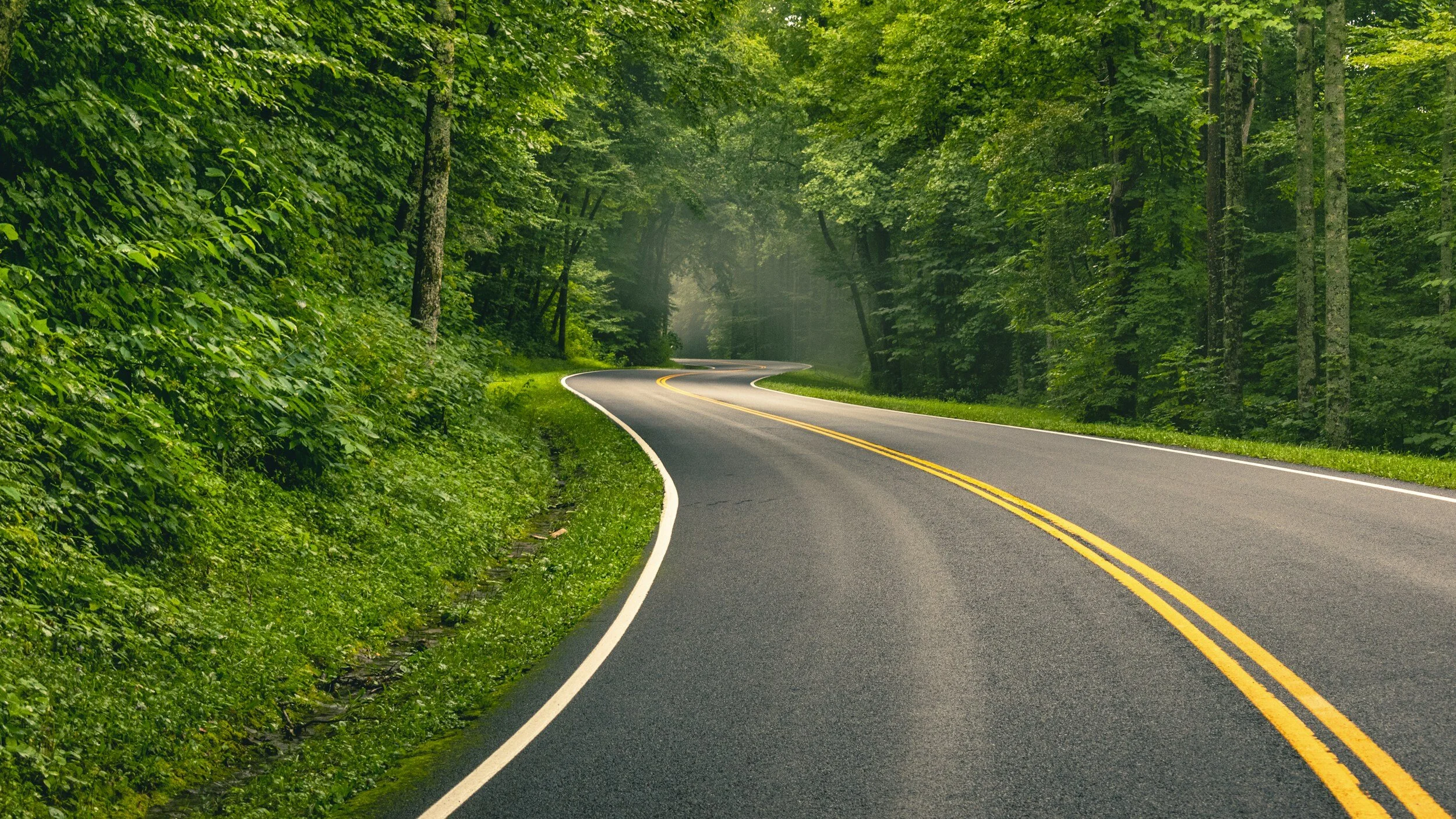
Survival Basics (street)
A road is a living, breathing thing. Prior to your departure on your ride, take note of how strong the winds have been recently or today. Has it rained, will it rain on your ride? Have temperatures been near freezing? If yes to any of the previous, be respectful and aware of the road conditions it WILL be different compared to your last ride. were there debris? be mindful, ride with intent and purpose stay focused. group rides should be started in town with a stagger, and maintained on the highway/freeway. The lead bike to the left lane position (p1). 2nd bike should be in the far right lane position (p3), and so on. The center lane position (p2) should be used as a pass through only not ridden in (unless conditions dictate it). Once the group is outside City limits and/or the countryside, transition to single file. this is important to MAINTAIN proper lane position throughout the ride for each rider. use the far left lane position (1) middle is (2) and far right is (3). Use the outside p1 (far left) for a right corner. use p3 (far right) for a left corner. avoid riding in p2 (debris/oil) ACCUMULATE there. p2 is used as a pass through based on your corner exit. use your lane position to optimize your vision and decision point. Be patient! Understand the environment you are riding in. Is it wet? Cold? Windy? What type of debris are on the road? Road surface wet, dry, patchy, rough, nothing but repairs? Can you adapt to the changes without acting abruptly? Proactive, Reactive, or Adjustable which rider do you want to be? 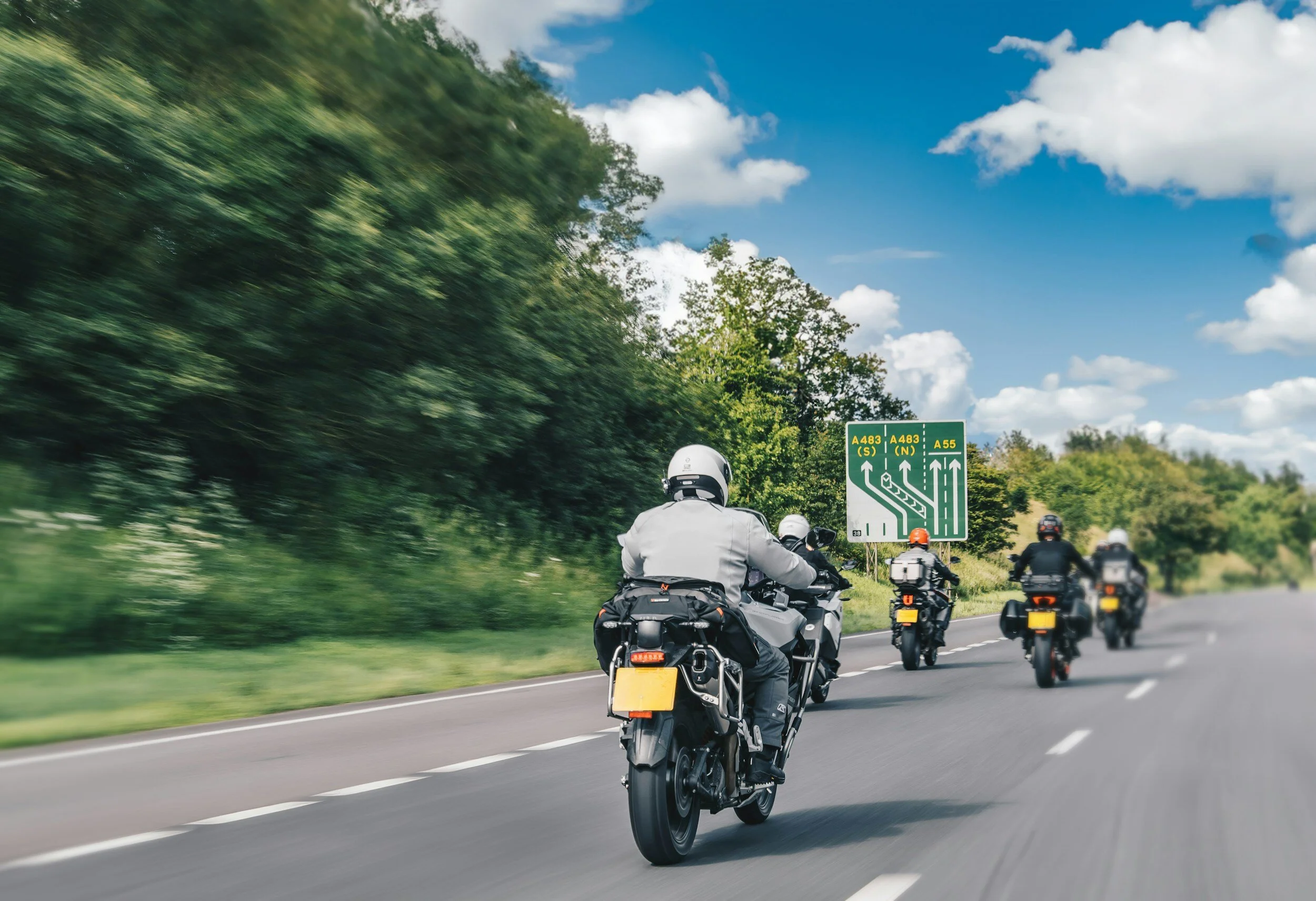
Rocks in P2. Bike and rider in P2. Bike looses traction riders foot slips off the peg. Eyes look straight, bike goes where we look.
Rider should have used P1, use the brakes , instead of relying on the engine. Brakes applied late after the bike starts to cross the centerline. Arms straight indicate the rider was not prepared